


Osmanthus Jin Xuan Milk Oolong (桂花金萱)
- Region: Li Shan (Li Mountain / Pear Mountain) Area
- Harvest: 2026
- Availability: In Stock
- $25.00
Available Options
Osmanthus Jin Xuan Milk Oolong combines Jin Xuan milk oolong with osmanthus flowers. During baking, the final stage of tea processing, the tea slowly absorbs the fragrance of fresh osmanthus blossoms, giving it a delicate floral note. Each producer has their own technique, but they all use traditional methods without adding chemicals or flavourings.
Li Shan Jin Xuan milk oolong comes from a high-altitude area in Taiwan’s highest mountain range. Mount Li rises to more than 2,000 m above sea level. Li Shan tea plants grow in this cold, humid environment, which gives them tender leaves with a wonderful fruity aroma and flavour.
Milk oolong from Li Shan has a distinctive mountain flavour, a pleasant taste and a rich aroma of flowers and plants.
Osmanthus is a small evergreen shrub that blooms in late summer or early autumn. Its flowers range in colour from white and cream to yellow and orange-yellow.
Osmanthus Jin Xuan Milk Oolong tea has big range of benefits: boosting digestive health, heart health, lung health, detoxication of the human body, skin health and healthy weight loss. Osmanthus oolong tea is high in antioxidants which can help in reducing the risk heart-related problems.
Leaves: Green leaves rolled into small, compact balls that unfurl as they steep, together with osmanthus flowers.
Taste
The liquor is golden yellow, clear and bright. The flavour is sweet, mellow and milky, with a light floral aroma and flavour that fill the mouth.
Brewing
You can use any type of teapot, though a clay teapot is particularly suitable.
Warm the teapot with boiling water. Add 2–3 g of tea, pour a little boiling water over the leaves and drain it off. Add 225–250 ml of boiling water, cover the teapot and steep for three minutes before serving.
Water temperature: 85–95 °C (185–205 °F). You can infuse the same leaves three to four times.
The tea leaves unfurl as they steep, releasing their full flavour.
Additional information
This is one of the traditional ways to brew the tea. Depending on your taste, you can vary the brewing time from 35 seconds to 5 minutes.
You can also brew the tea in the traditional Chinese way using a gaiwan, with short successive infusions of 3–5 seconds each.
Please note that this natural tea contains high levels of active compounds, including caffeine, as well as minerals. You may notice unusual effects. If you do, use fewer tea leaves and shorten the brewing time.
There are no reviews for this product.
Write a review
Related Products
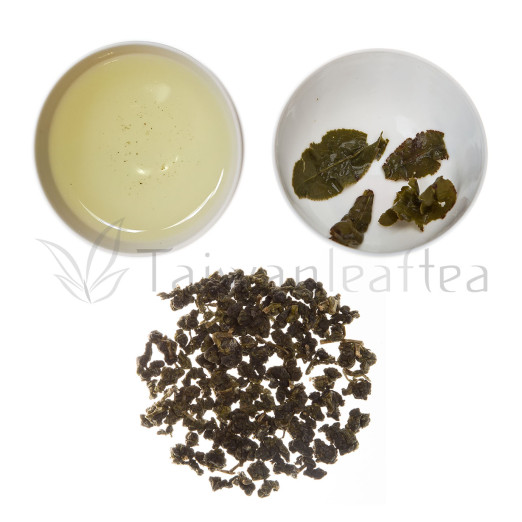
Li Shan Jin Xuan Milk Oolong (梨山金萱)
This Jin Xuan milk oolong comes from the high mountains of Li Shan.The Li Shan area lies in Taiwan’s..
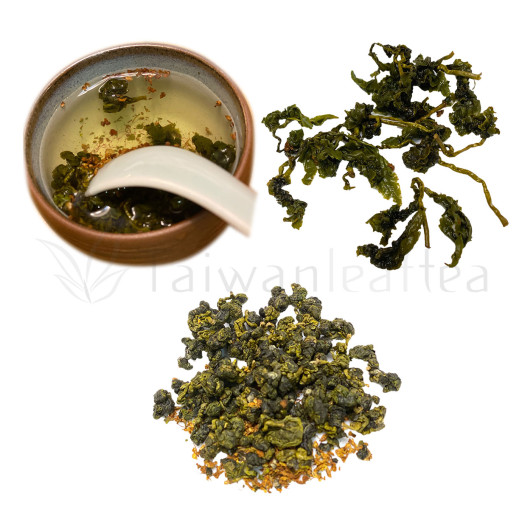
Fu Shou Shan Osmanthus Oolong / Heaven Pool Osmanthus Oolong (福壽山桂花烏龍)
Fu Shou Shan Osmanthus Oolong combines Fu Shou Shan Oolong (Heaven Pool Oolong) with osmanthus flowe..
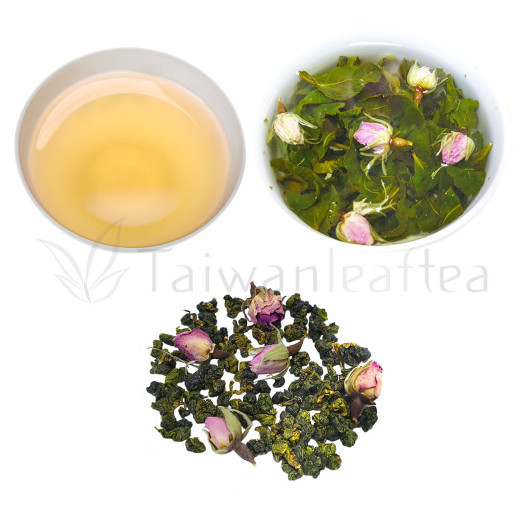
Li Shan Taiwan Rose Jin Xuan Milk Oolong (梨山台灣種玫瑰金萱)
Li Shan Taiwan Rose Jin Xuan Milk Oolong combines Jin Xuan milk oolong with Taiwan Cotton Rose flowe..
From our blog

Innovative Flavors: How to Transform Your Tea with Unusual Ingredients
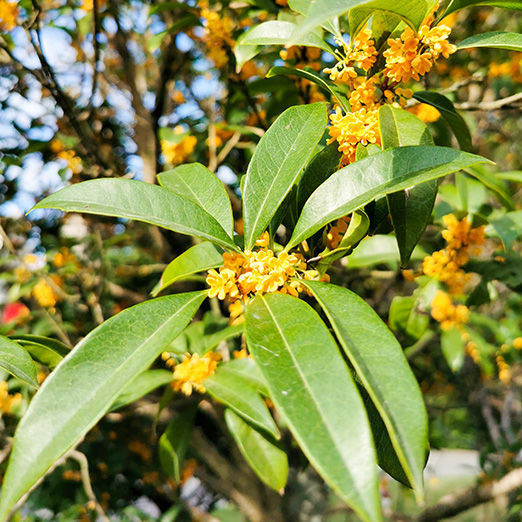
Osmanthus flowers
